


Continuous thermal monitoring for industrial fire safety and process reliability
Detect abnormal temperature changes before they become bigger problems.
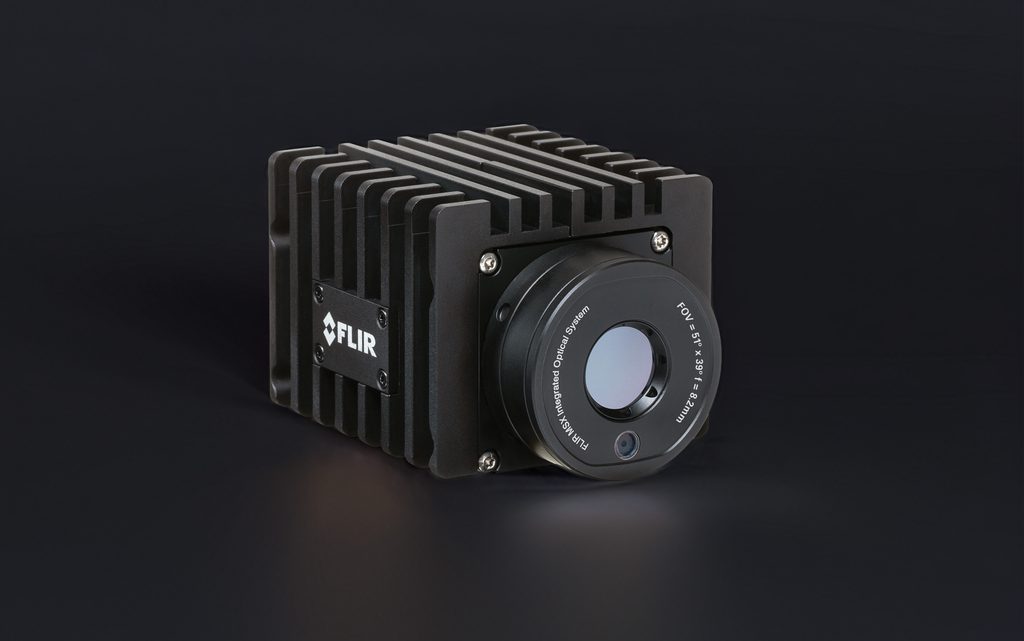
Firefly Thermal Monitoring uses industrial FLIR thermal imaging technology to continuously monitor critical equipment, machinery and industrial processes.
By tracking temperature patterns over time, thermal monitoring can identify abnormal heat development that may indicate mechanical problems, changing process conditions or potential ignition risks. This gives maintenance, operations and safety teams earlier insight into what is happening in the process, without physical contact or interrupting production.
How does industrial thermal monitoring work?
Temperature is often one of the first indications that something is changing.
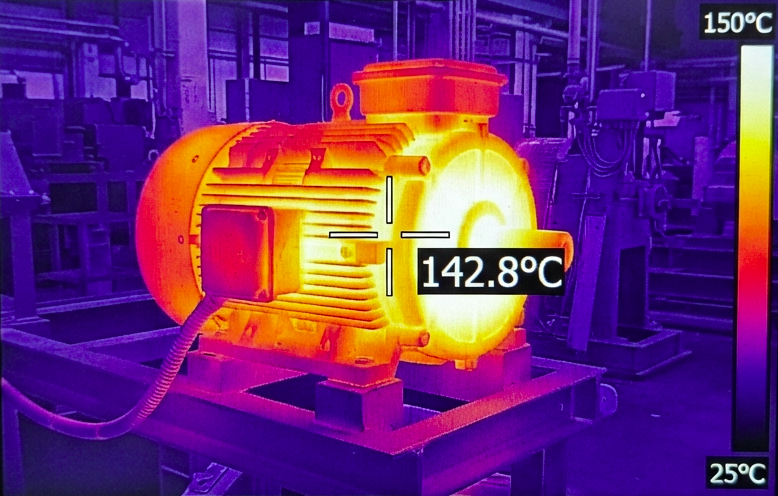
A bearing running hotter than usual, increasing friction, mechanical wear or an overheating electrical component can create abnormal heat before a problem becomes visible through conventional inspections.
Firefly Thermal Monitoring uses fixed thermal cameras to monitor temperature patterns continuously. Instead of relying only on individual temperature limits, monitoring trends over time can help reveal developing changes that might otherwise go unnoticed.
Benefits of thermal monitoring
Detect abnormal heat earlier
Identify developing temperature changes that can indicate excessive friction, mechanical wear, misalignment, material build-up, overheating electrical components or hot spots.
Continuous 24/7 monitoring
Unlike periodic inspections, fixed thermal cameras can continuously monitor critical equipment and process areas without physical contact.
Support Condition Monitoring
Temperature trends can provide valuable insight into equipment health, helping maintenance teams investigate abnormal heat development earlier.
Improve process reliability
Monitor changes in equipment, processes and material flows that may not be visible to the human eye.
Add another layer of fire prevention
Thermal monitoring can reveal abnormal heat conditions that could potentially develop into an ignition source. It complements established fire prevention and protection technologies rather than replacing technologies such as spark and flame detection.
Part of Firefly Prediction™
Moving towards predictive industrial fire safety
Fire protection traditionally focuses on detecting and responding to a developing fire. Firefly Prediction™ starts earlier by looking at the conditions that can lead to ignition.
Thermal monitoring provides an additional measurement source by continuously collecting temperature information from critical equipment and processes.
The approach develops from:
Monitor → Identify changes → Provide insights → Predict
As Firefly Prediction develops, thermal data can be combined with additional process information and sensor technologies to provide a broader understanding of changing process conditions.
Where can thermal monitoring be used?
Industrial thermal monitoring can be used to continuously monitor critical equipment and risk areas, including:
- Bearings
- Motors
- Gearboxes
- Fans and drives
- Hydralic systems
- Electrical installations
- Material Storage
- Conveyor belts and material flows
Thermal imaging technology combined with industrial fire safety expertise
FLIR provides the thermal imaging technology, while Firefly brings more than 50 years of experience in industrial fire prevention, process safety and equipment protection.
This combination enables Firefly to look beyond the thermal camera itself and consider how different monitoring technologies can work together based on the actual risks of each industrial process.
Depending on the application, a solution can combine technologies such as:
- Thermal imaging
- Temperature sensors
- Hot particle detection
- Spark detection
- Flame detection
- Gas monitoring
- Fire suppression
Contact Firefly to discuss the protection of large and open risk areas
Frequently Asked Questions about thermal monitoring (FAQ)
What is industrial thermal monitoring?
Industrial thermal monitoring uses infrared thermal imaging to continuously monitor temperatures in machinery, equipment and industrial processes. Firefly Thermal Monitoring uses industrial FLIR thermal imaging technology to identify abnormal temperature patterns and changes over time.
What can thermal monitoring detect?
Thermal monitoring can identify abnormal heat development associated with excessive friction, mechanical wear, misalignment, material build-up, overheating electrical components and developing hot spots. Monitoring temperature trends can reveal changes even when temperatures remain within normal operating limits.
Can thermal monitoring help prevent industrial fires?
Thermal monitoring can identify abnormal heat conditions that could potentially develop into an ignition source. This provides an additional layer of insight for industrial fire prevention, but it does not replace conventional fire prevention and protection systems such as spark or flame detection.
Can thermal cameras monitor equipment without stopping production?
Yes. Thermal imaging is a non-contact technology, allowing fixed thermal cameras to monitor critical equipment and industrial processes continuously without interrupting production.
Can thermal monitoring be added to an existing Firefly system?
For customers already using the Firefly EXIMIO™ platform, thermal monitoring is designed as a natural extension. The Firefly Prediction architecture supports additional monitoring technologies, allowing thermal monitoring to become part of a broader view of process conditions.


